 Español
 English
 русский
 عربى
 Deutsch

Inicio / Noticias / Noticias de la industria / Why Does Heating Uniformity Matter in a Shell Core Machine
Why Does Heating Uniformity Matter in a Shell Core Machine
Noticias de la industria-Two cores from the same batch can behave very differently. One comes out clean and sturdy. The other has a soft corner or a thin, brittle wall. Often the cause is not the sand or the resin. It is how evenly the tooling was warmed.
What Happens Inside the Tooling During a Shot
A Shell Core Machine shoots resin-coated sand into a heated core box. The warmth softens the resin, the resin bonds the grains, and a solid shell grows against the hot tooling surface. When the shell is thick enough, the core is released and sent on to the casting line.
From Loose Sand to a Solid Shell
Warmth is the trigger for the whole process. Without enough of it, the coated sand stays loose and weak. With too much, the resin over-cures and turns brittle. The goal is a steady, repeatable condition across the entire cavity surface, not just in one spot.
Why a Display Reading Can Mislead
A controller may show a calm, stable number. That number only describes the spot where one sensor sits. Other areas of the tooling may be warmer or cooler than the reading suggests.
Think of a frying pan with a hot center and cool edges. One pancake ends up burnt in the middle and raw at the rim. A core box works in a similar way. Each region cures at its own pace when the warmth is uneven.
Warning Signs on the Shop Floor
Thermal imbalance rarely announces itself. It appears as quality complaints that seem unrelated at first glance.
Thin Walls and Soft Spots
Shell growth depends on how much warmth the sand receives and for how long. Warmer zones build thicker walls, and cooler zones build thinner ones. The finished core may hold up in one area and break in another.
Brittle Edges
Zones that run too warm can over-cure the resin. The surface turns hard but fragile, and corners may chip during handling or setting.
Rough Surfaces and Sand Inclusions
Under-cured areas can feel crumbly. During pouring, that surface may erode and carry sand into the metal. The casting then shows veining, rough patches, or inclusions that need extra grinding.
Small Shape Changes
Different zones cure and shrink at slightly different rates. A core with internal temperature gaps may come out with minor shape deviations. For parts with thin or tightly controlled walls, such as cylinder heads or valve bodies, even small shifts matter.
A Quick Reference
| Symptom | Likely Thermal Cause | Effect on Casting |
|---|---|---|
| Thin or soft shell areas | Cool zone in the tooling | Core breakage, metal penetration |
| Brittle or chipped edges | Warm zone, resin over-cured | Handling damage, loose grains in the mold |
| Rough core surface | Under-cured resin layer | Sand erosion, surface flaws |
| Shape inconsistency | Uneven shrinkage during cure | Wall thickness variation |
| Batch-to-batch differences | Unstable temperature distribution | More inspection and rework |
Most of these problems share one root. Parts of the tooling are not at the same condition at the same moment. Fixing that root is often cheaper than chasing each symptom one by one.
Where Uneven Warmth Comes From
Knowing the source makes prevention easier. Several factors work together, and they tend to build up over time.
Heater Layout
The position and spacing of heating elements inside the tooling plate shape the result. Wide gaps create cool bands. Elements packed too closely create hot spots. A thoughtful layout follows the shape of the cavity, not just the outline of the plate.
Tooling Mass and Geometry
Thick sections store more energy and respond slowly. Thin sections react quickly. Deep pockets and ribs change the path that warmth travels. When a box has complex geometry, a single heating pattern rarely suits every area.
Loss at the Borders
The edges of a tooling plate give up energy to the surrounding air and to the machine frame. Without insulation, the border runs cooler than the middle. Insulating plates between the tooling and the structure reduce this leak.
Wear and Buildup
Heaters slowly lose output as they age. One weak element can create a cool band that goes unnoticed for weeks. Resin residue or scale on the tooling face can also act like a thin blanket and block the flow of warmth into the sand.
Sensor Placement
A thermocouple only reports what is near it. If it sits in an unrepresentative spot, the controller works from partial information. The machine may look steady while other regions drift.
What Steady Temperature Brings to Production
Good thermal behavior is not only a quality matter. It also affects cost, scheduling, and the daily workload of the crew.
- Fewer rejected cores. When every part of the cavity cures in step, fewer pieces fail inspection. Scrapped sand, resin, and machine time all add up.
- More predictable cycles. Operators can set a cure time with confidence instead of adding extra seconds to cover a cool corner.
- Less wasted energy. Overheating one zone to make up for another burns resin and power. Balanced warmth lets the system run at a sensible level.
- Longer tooling life. Large temperature gaps inside a tool create stress. Over time that stress can lead to warping or cracks.
- Smoother downstream work. Casting, cleaning, and machining all benefit from reliable cores. Fewer sand-related defects mean less repair work and fewer customer complaints.
Practical Habits That Keep Tooling Balanced
Progress does not require a full equipment replacement. Many gains come from routine checks and small adjustments.
Scan the Tooling Surface
An infrared thermometer or thermal camera can reveal cool and warm zones. Take readings when the box is at working condition and record the pattern. Repeat the check on a schedule so changes show up early.
Keep a Simple Maintenance Routine
- Inspect heaters and wiring for signs of wear.
- Clean resin residue from the tooling face and vent areas.
- Confirm that sensors are seated firmly and reading correctly.
- Replace insulation that has become damaged or compressed.
Review Sensor Positions
Place sensors where they reflect the working surface, not only the plate body. In larger tools, more than one measuring point gives a clearer picture. Zoned control, where separate areas are managed on their own, is worth considering for complex boxes.
Allow Time to Warm Up
A box that has not fully soaked carries internal gradients. After a cold start or a long stop, give the tooling enough time to settle. The cores shot right after a pause are often the ones with trouble.
Match Warmth to Core Shape
Cores with thick and thin sections may need different treatment in different areas. Raise this with the tooling designer early. Adjusting the heater layout on paper costs far less than correcting it after the tool is built.
Train the Operators
People who understand the link between warmth and core quality notice small changes sooner. A short briefing on what to watch for, such as color shifts in the shell or an unusual smell, helps catch drift before it turns into scrap.
Questions Buyers Ask Before Choosing Equipment
How can I tell if my machine has a uniformity problem?
Look for patterns. If defects keep appearing in the same location on the core, a thermal cause is likely. A surface temperature map can then confirm it.
Does a newer machine solve the issue automatically?
Not by itself. Design, tooling, and upkeep all play a part. A new unit paired with poor tool design can still produce uneven cores, while a well-maintained older one can run steadily.
What should I ask a supplier?
- How are heating zones arranged and controlled?
- How is insulation handled between the tooling and the frame?
- Where are sensors placed, and can the layout be adjusted?
- What maintenance access is available for heaters and wiring?
- Can trial runs be arranged with my own core designs?
These questions move the conversation toward real working behavior instead of brochure descriptions. When you review a Shell Core Machine, ask for a demonstration with a core shape similar to yours.
Even Warmth Is a Daily Habit, Not a Setting
Heating uniformity shapes nearly every quality trait of a shell core: wall thickness, strength, surface condition, and dimensional accuracy. When the tooling warms evenly, the resin cures in step and the core behaves as expected once metal enters the mold. When it does not, the trouble shows up as scrap, rework, and unsteady output.
The work is mostly routine. Scan the surface, keep the tooling face clean, place sensors with care, and allow a proper warm-up after every long stop. Bring a real core drawing to your next talk with an equipment supplier and ask how warmth will travel through that specific shape. That single step reveals more about everyday performance than any general description can.
Treat balanced temperature as part of normal process control. A modest investment in measurement and upkeep tends to pay back through steadier production and calmer shifts.
Productos relacionados
-
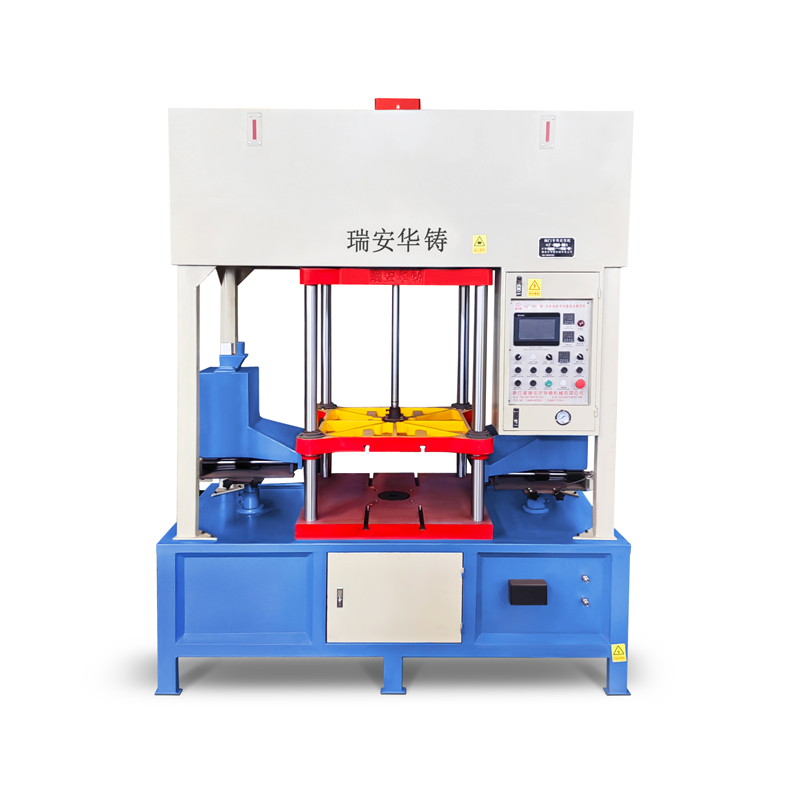
El tirador de núcleo completamente automático con tracción de núcleo está diseñado para optimizar...
Ver detalles -
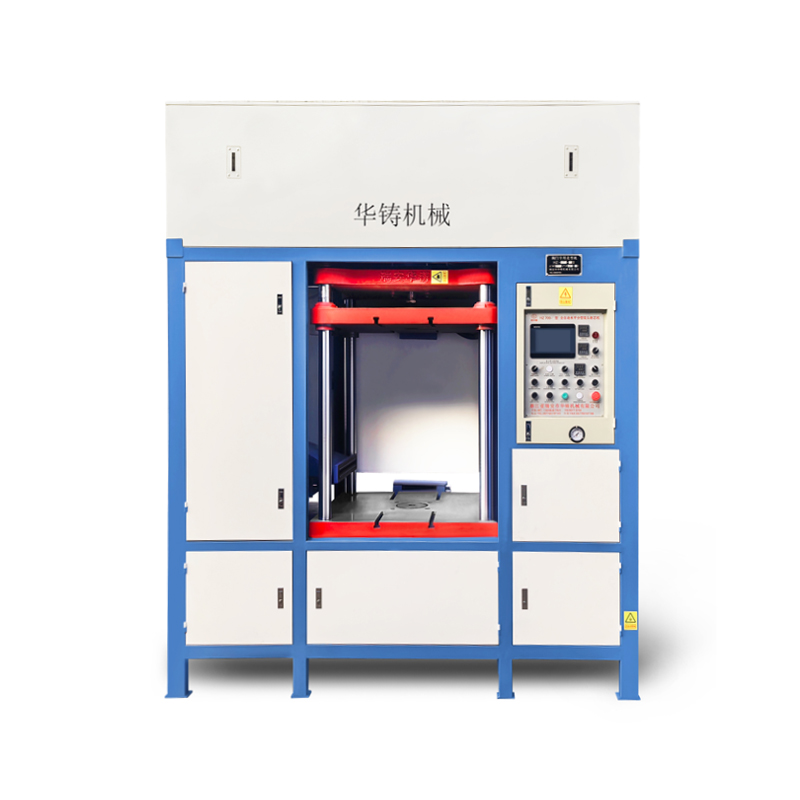
La máquina de tiro de núcleo ecológica totalmente automática es una solución ecológica muy avanza...
Ver detalles -
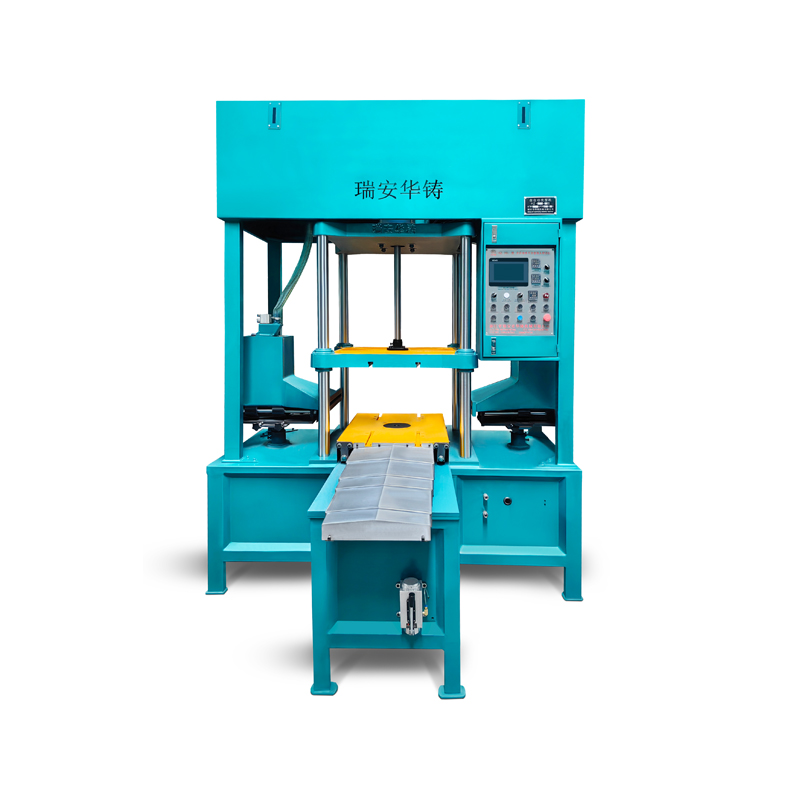
La máquina de disparo de núcleo completamente automática con una eliminación de moho más baja es ...
Ver detalles -
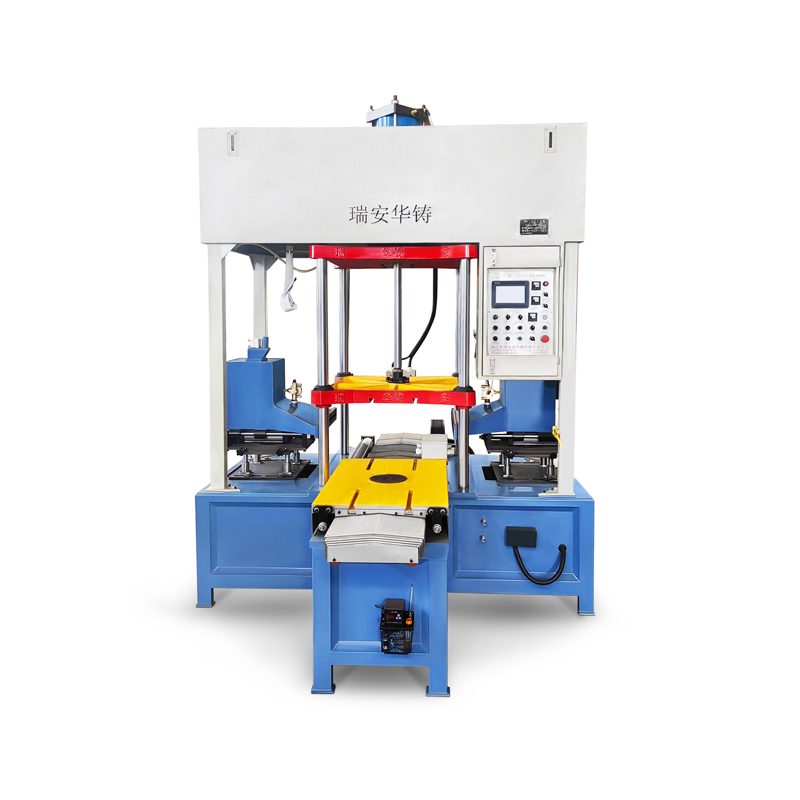
La máquina de disparo de núcleo extraíble de moho inferior está diseñada para ofrecer una alta fl...
Ver detalles -
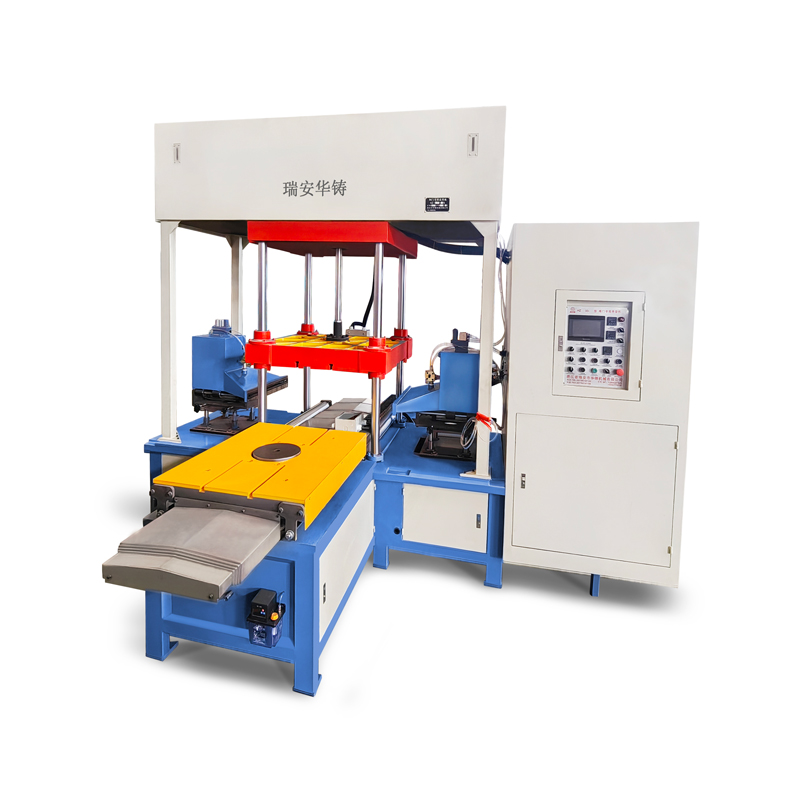
La máquina de tiro de núcleo totalmente automática hidráulica es una herramienta esencial en las ...
Ver detalles -
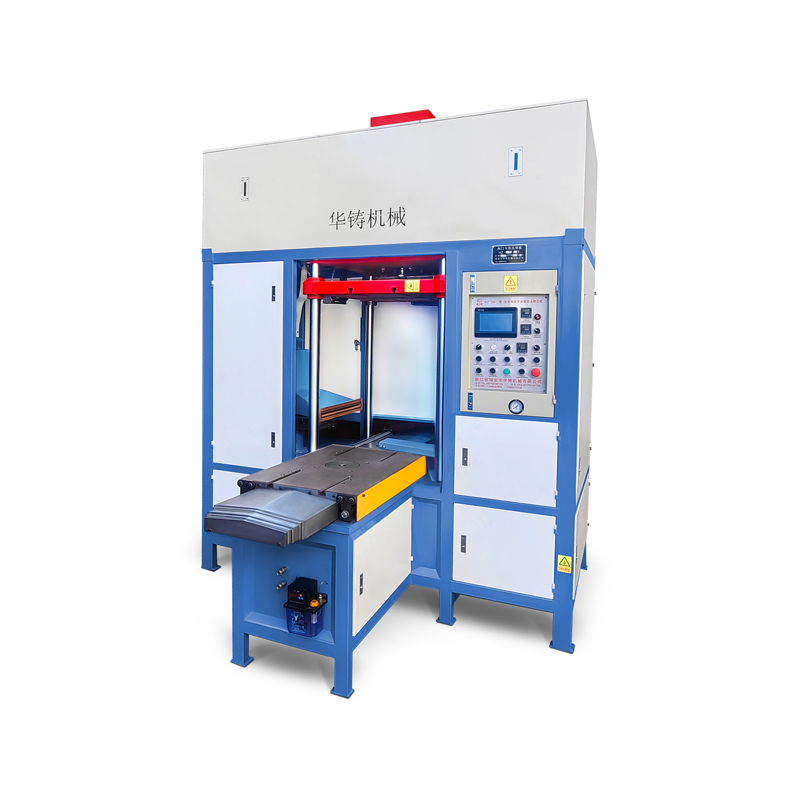
La máquina de disparo de núcleo respetuosa con el medio ambiente con un moho más bajo extraíble e...
Ver detalles -
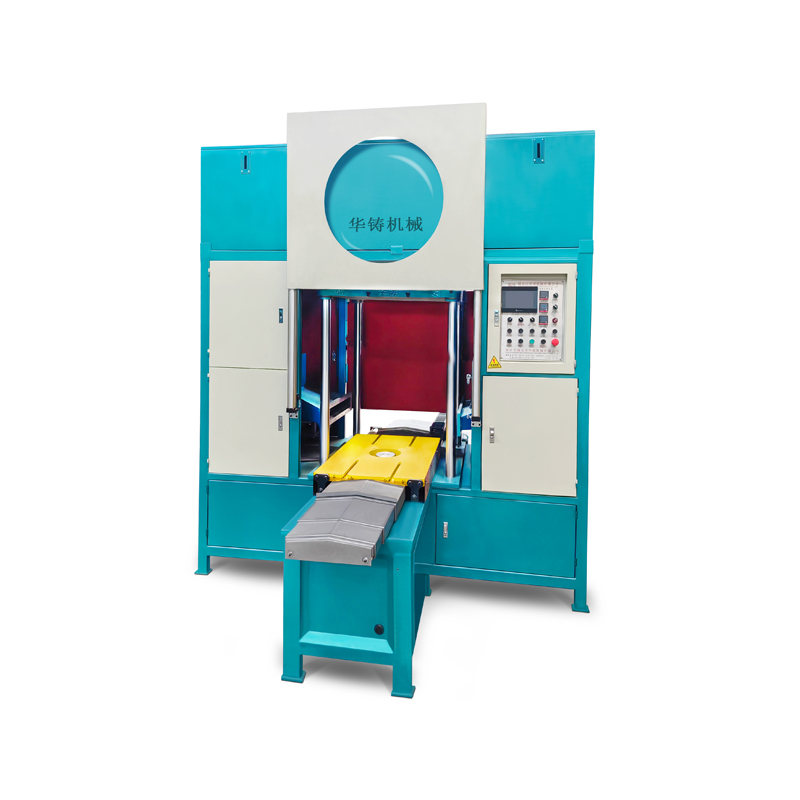
La máquina de disparo de núcleo ambientalmente amigable para el medio ambiente con la puerta del ...
Ver detalles -
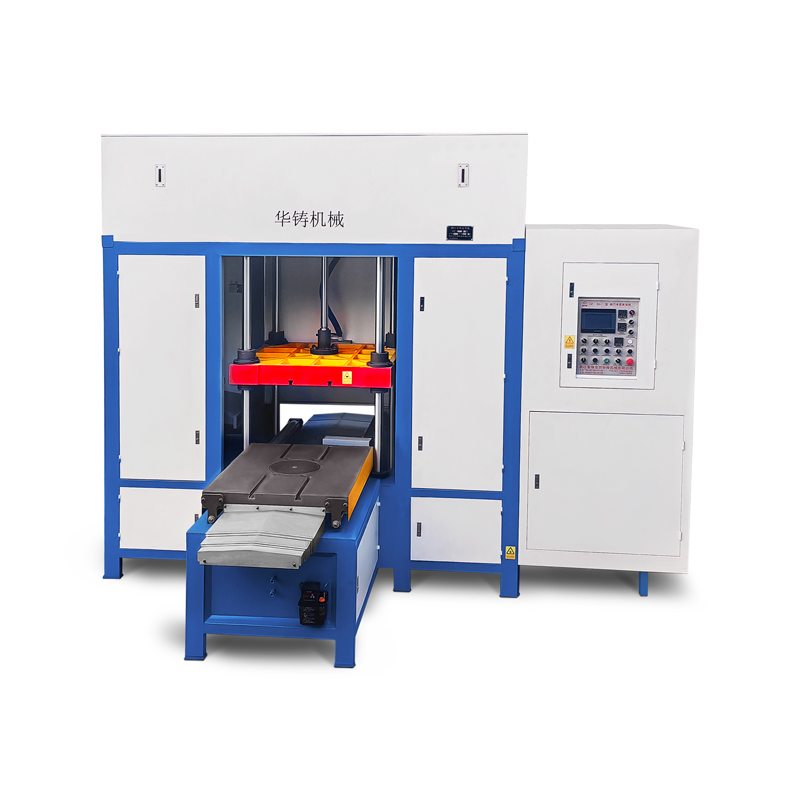
La máquina de disparo de núcleo respetuosa con el medio ambiente hidráulico es una tecnología fro...
Ver detalles

Bienvenido a nuestra empresa para diseñar de acuerdo con su diseño y prueba de muestras.
Información de contacto
-
 Ciudad de Haixi, condado de Pingyang, ciudad de Wenzhou, provincia de Zhejiang, China
-
 +86-13868387823
-
 +86-577-65197155
-
 +86-577-65197166
-
 13868387823@139.comhuazhultd@outlook.com
Enlaces rápidos
Productos
Derechos de autor©Ruian Huazhu Machinery Co., Ltd. Todos los derechos reservados.

